


Iron Deficiency Anemia Infusion Therapy
Iron deficiency anemia is a common blood disorder caused by insufficient iron in the body, leading to a decrease in healthy red blood cells. It often results from inadequate iron intake, blood loss, or poor iron absorption. Symptoms include fatigue, weakness, pale skin, and shortness of breath. Diagnosis involves blood tests, and treatment typically includes iron supplementation and addressing underlying causes. With proper management, most people can effectively control this condition and restore their iron levels to normal.


Symptoms

Symptoms
The main symptoms of iron deficiency anemia include:
- Fatigue and weakness
- Pale skin
- Shortness of breath
- Dizziness
- Headaches
- Cold hands and feet
- Chest pain or irregular heartbeat
- Brittle nails
- Hair loss
- Unusual cravings for non-food items (pica)
- Restless legs syndrome
- Difficulty concentrating
- Increased susceptibility to infections
Severity of symptoms often correlates with the degree of anemia. Some people may experience only mild symptoms or none at all in early stages.
Treatment Options
Treatment options for iron deficiency anemia:
- Oral iron supplements
- Iron-rich diet
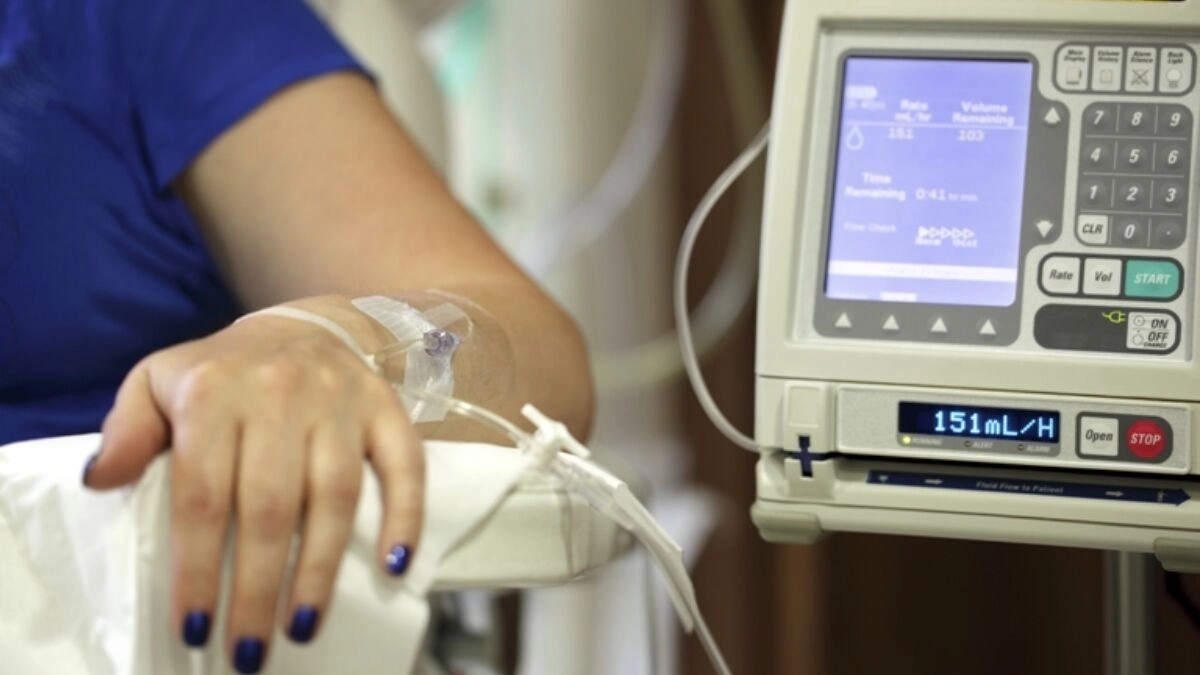
- IV iron therapy
- Treating underlying causes
- Blood transfusions (severe cases)
- Erythropoiesis-stimulating agents (specific cases)
- Surgery (rare, for chronic blood loss)
Choice depends on severity, cause, and individual factors. Regular monitoring is essential.

Living With
Living with iron deficiency anemia involves managing the condition through lifestyle changes and medical interventions. Patients often need to take regular iron supplements and adjust their diet to include more iron-rich foods. It's important to follow up with healthcare providers for monitoring and potential treatment adjustments. Many individuals find that fatigue improves as iron levels normalize, but this can take several weeks to months. Staying hydrated, getting adequate rest, and engaging in light exercise as tolerated can help manage symptoms. Some people may need to avoid certain foods or medications that interfere with iron absorption. With proper management, most individuals with iron deficiency anemia can lead normal, healthy lives, though ongoing awareness and care are typically necessary to prevent recurrence.

Meet our Infusion Specialists

Jalal Thwainey M.D.
Medical Director

Emilie Wojcik, N.P.
Director of Clinical Services
For Provider
Simplify patient referrals and offer advanced treatment options with our infusion partnership program.
For Patient
There may be a better way to manage your condition – explore infusion therapy.